Do you want to eat healthier but don’t know where to start? Here’s a complete guide to Healthy Eating for Beginners. You’ll learn about macronutrients, how to make a balanced meal, and easy tips for your diet.
The foundations of a healthy diet
- Eat least 5 portions of fruit and vegetables every day – To get a wide range of nutrients, vary your sources and aim for the “rainbow”. In simple terms, eat fruits and veggies of different colors.
- Include whole grains into your diets – Aim for a portion of unrefined grains like oats, quinoa, wild rice, or whole grain bread. They’re rich in fibers, B vitamins, and complex carbs for sustained energy.
- Eat protein at every meal – Chicken, eggs, salmon, cottage cheese, Greek yogurt and tofu are great examples. Protein supports muscle mass, promotes overall health, and increases satiety. Limit red meat and high mercury fish.
- Drink at least eight 8-oz glasses of water throughout the day – This equals to 68 ounces or 2 liters. Drink mostly water, unsweetened herbal teas and little black coffee. But avoid liquid calories from sodas, alcohol, or sugary coffee drinks.
- Limit ultra-processed foods – Processed foods are full of refined sugars, sodium, and saturated fats. Additionally, they’re often high in calories and low in nutrients. Eat in very small amounts, prioritizing wholesome foods like veggies, grains, lean protein and healthy fats.
What are macronutrients?
Macronutrients are the building blocks of our diets: protein, carbohydrates and fats. We need a lot of these nutrients for energy, overall health, building and maintaining tissues. They’re essential to keep our organism alive, healthy and nourished.
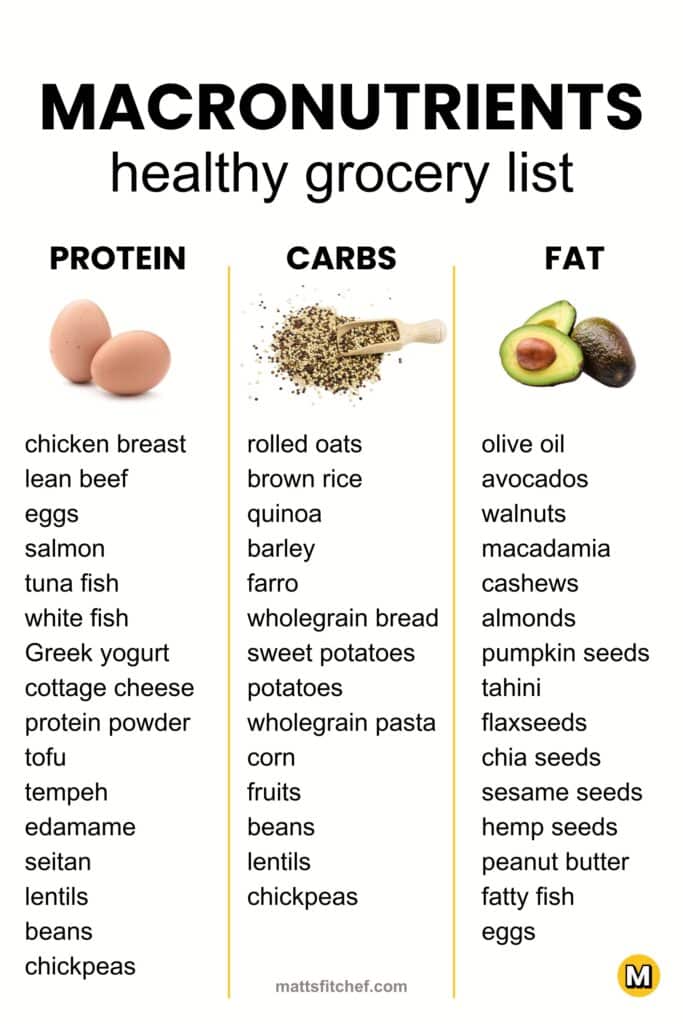
- Protein – Protein is essential for building and maintaining muscle mass, enzymatic functions, cell signaling and immune health. Examples of high protein foods are poultry, beef, eggs, Greek yogurt, tofu, and legumes.
- Carbohydrates – Carbohydrates give us energy for everyday activities and exercising. When digested, they’re broken down in glucose. Whole grains, bread, potatoes and fruits are examples of carbohydrates.
- Fats – They’re the most caloric macronutrient (9 kcal/g), and are essential for our health. Fats play a crucial role in metabolic functions, hormone production, and absorption of nutrients (like vitamins A, D, E, K). Examples of healthy fats are olive oil, avocado, walnuts, seeds and fatty fish.
What are calories?
In simple terms, calories describe the amount of energy our body can get from the foods we eat and drink. Macronutrients – protein, carbohydrates and fats – all provide calories, but in different amounts:
- Protein – 4 kcal/gram
- Carbohydrates – 4 kcal/gram
- Fats – 9 kcal/gram
Our body needs calories for energy. And we need energy to stay alive, maintain metabolic functions, perform daily activities like studying or working, and exercising. We even need energy to digest the foods we eat!
Calorie requirements are individual. They vary according to many factors like age, gender, activity level, and body composition. Here’s how the calories we eat affect our weight.
- To maintain weight – calories consumed = calories burned
- To lose weight – calories consumed < calories burned
- To gain weight – calories consumed > calories burned
Remember: Our organism burns calories just to stay alive, even when you sleep. Although more efficient, you don’t burn them just by running or going to the gym.
How to make a balanced meal
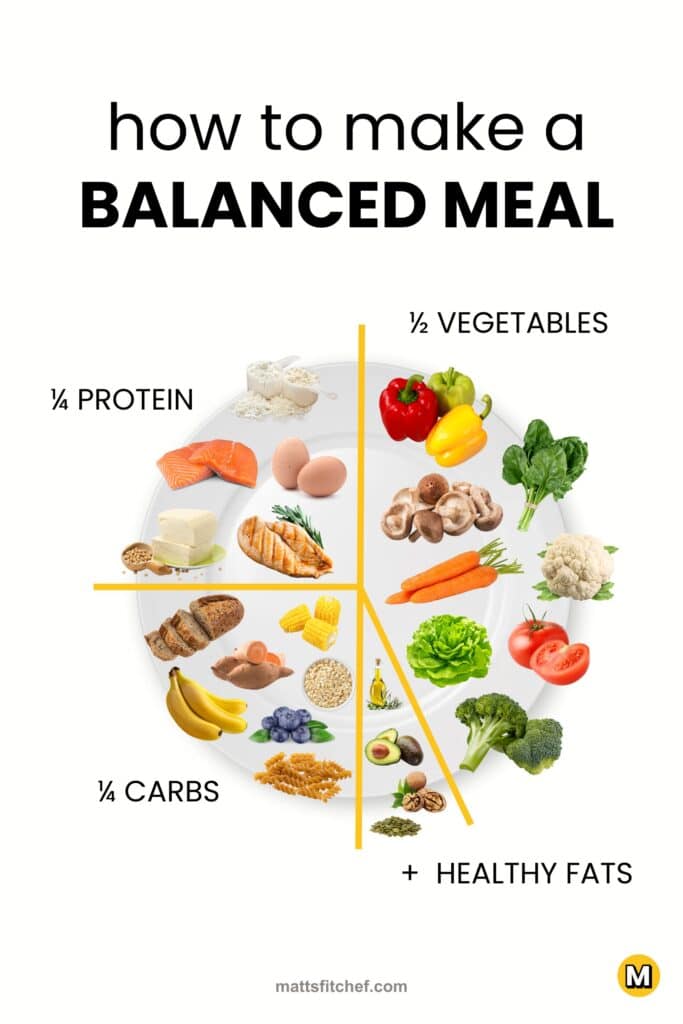
A balanced diet is key for health, weight management, and energy. Use the template below when creating your meals. From breakfast to dinner, ensure that all your meals are well balanced. Snacks included!
- ½ plate of vegetables – Abound on non-starchy vegetables for nutrients and satiety. Examples are broccoli, zucchini, tomatoes, spinach, or lettuce.
- ¼ plate of lean protein – Eat protein to build and maintain muscle mass, and promote satiety. Examples of lean protein are chicken breast, eggs, cottage cheese, Greek yogurt, salmon, tofu and tempeh.
- ¼ plate of complex carbohydrates – They contain fiber to facilitate digestion and bowel movement, and give us sustained energy. Go for unprocessed grains like oats or quinoa, wholegrain bread, sweet potatoes, and fruits. Avoid refined carbs like white flours and sugary cereal.
- 1 to 3 tbsp of healthy fats – Healthy fats are essential for hormonal health and nutrient absorption. Choose olive oil, nuts, seeds, avocados, and dark chocolate. Limit trans fats and low quality seed oil.
Here are some notes on the balanced meal method:
- Most foods contain all macronutrients, but in different amounts. Categorizing foods as just protein, carbs or fat is not always accurate. For example, eggs are primarily protein but they also contain fats.
- Legumes like beans, lentils and chickpeas contain both carbohydrates and protein. But legumes are not complete protein, as they do not contain all essential amino acids. For better absorption, they should be paired with other foods.
- Fruits and starchy vegetables count as carbohydrate, not as vegetable. Although very healthy and nutritious, keep an eye on their quantities.
- Eat a varied diet for getting more nutrients and keeping things exciting. Vary your protein sources, eat colorful fruits and vegetables (preferring seasonal produce), and try new foods regularly.
- Besides eating, make sure you drink at least 2 liters (68 oz) of water throughout the day. Again, avoid sugary drinks like soda, alcohol and cocktails.
The 80/20 approach
Minimally processed, whole foods should be the foundation of your diets. Your meals should be composed of nourishing foods (like fruits and vegetables, whole grains, protein and healthy fats) for most of the time.
Highly processed foods like cookies, salty snacks and burgers should be limited. But remember, limiting doesn’t mean banning them completely. Anything, in the right amounts, can be part of a healthy diet.
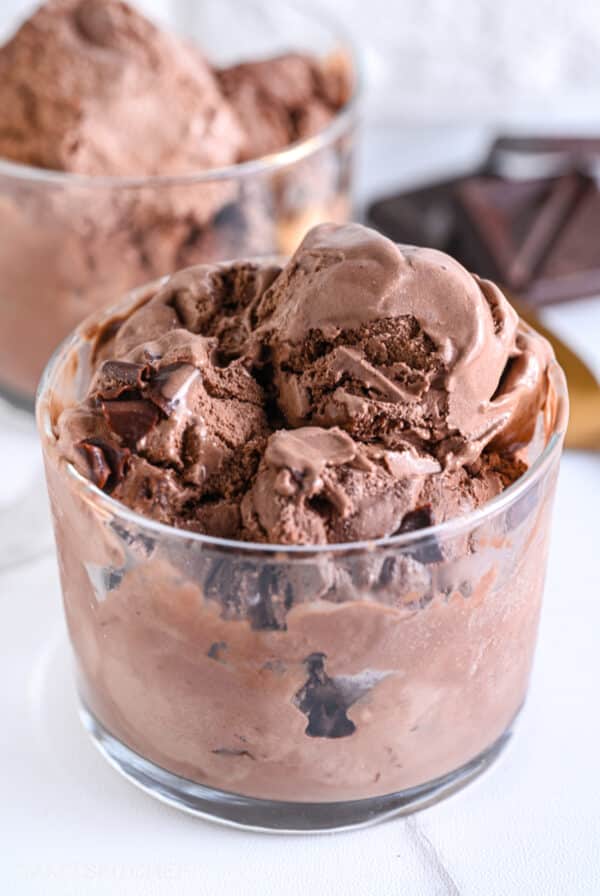
You don’t need to cut all your favorite foods. You just need to keep them for special occasions, and eat in small amounts. Let’s say, pizza night on Friday and ice cream on Sunday.
As a guideline, use the 80/20 approach. This means eating nutritious foods 80% of the time, with the remaining 20% left for less nutritious options. From reducing cravings to promoting mental health, the benefits are many.
- 80% minimally processed, nourishing foods (like fruits and veggies, whole grains, lean protein, healthy fats).
- 20% flexibility for less nutritious foods (like cookies, pastries, fast food, pizza, sugary cereal).
Healthy eating tips
- Don’t skip meals – Try to eat 3 main meals plus 1 to 3 snacks in between. This keeps blood sugar levels constant, prevents overeating at main meals, and ensures a constant flow of nutrients.
- Eat enough – Make sure you eat enough calories for your body. Also when losing weight, avoid extreme deficits and unsustainable restrictions. By eating too little, you may risk damaging your metabolism and health. Remember, we need energy to stay alive.
- Avoid liquid calories – Alcohol, sodas, iced coffees are loaded with refined sugars and hidden calories. Keep their quantities small, only for rare occasions. And remember, they still count as calories. Also if liquid.
- Sleep and rest enough – High quality sleep is essential for energy, metabolic functions, and hunger management. When we don’t sleep enough, our hunger hormones (ghrelin and leptin) get out of balance, and cravings increase.
Key facts
Eating healthy is simple!
- You don’t need to count calories to be healthy – Tracking calories and macros can be helpful in some situations, for some people. But it’s not for everyone, especially if your goal is just to improve health. In some cases, counting calories can lead to a bad relationship with food and eating disorders. Instead, focus on nutritious foods and have balanced meals.
- Eat protein at every meal – From supporting muscle mass to hunger management, protein has many benefits. Include protein in all your meals (also snacks), in combination with other macronutrients.
- Carbs are not bad – Eating carbohydrates keeps mood and energy high, helping you stay satisfied. Instead of fearing carbs, choose healthy options, and eat them in the right amounts along with protein and veggies. You won’t get fat, if you don’t exceed.
- Fat doesn’t make you fat – Fat is indeed the most calorie dense macronutrient. But this doesn’t mean it instantly turns into fat. Eat healthy fats like avocado or nuts consciously, in small/moderate amounts. Avoid trans fats and highly processed oils.
- You don’t need to eat clean all the time – Focus on nutritious foods for 80% of the time, and leave 20% for flexibility. This keeps your diet exciting and sustainable, and prevents excessive cravings.
Recipe ideas
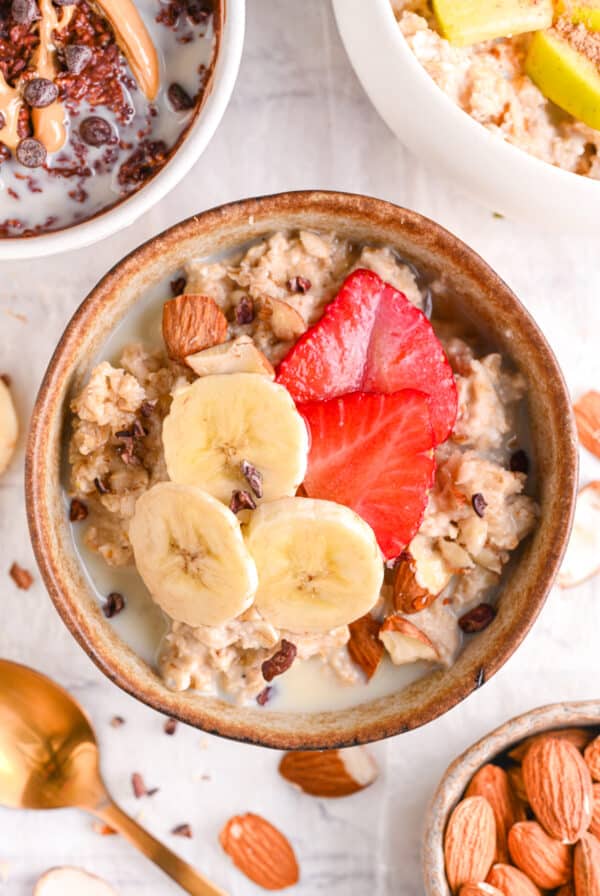
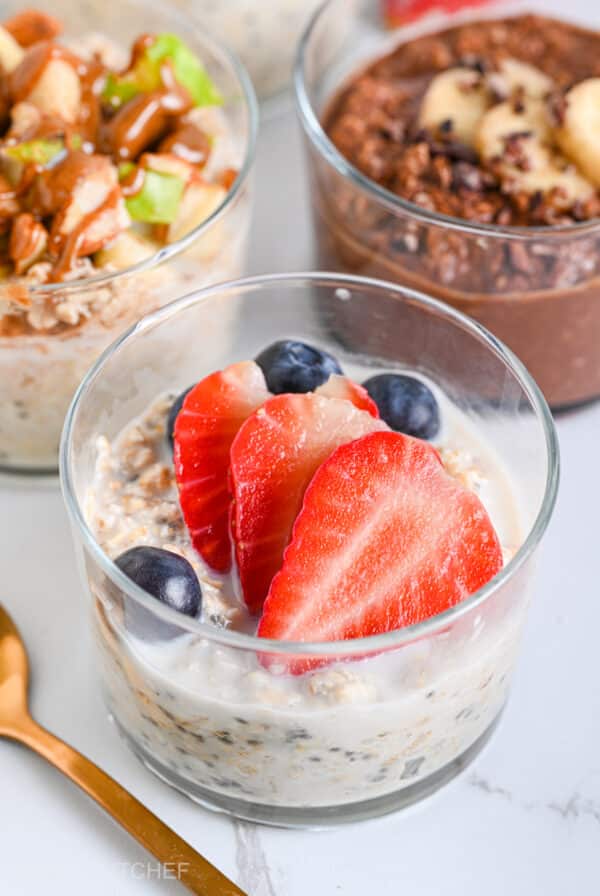
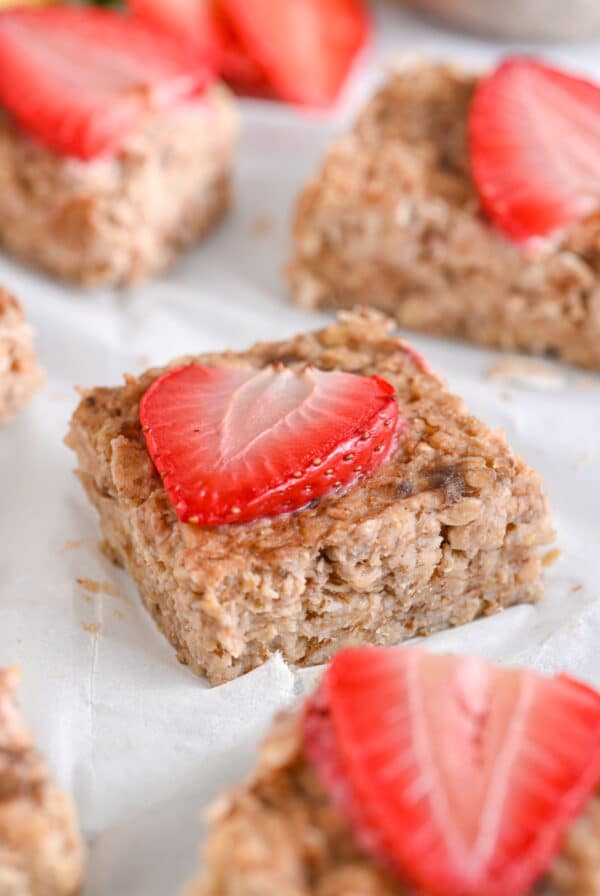
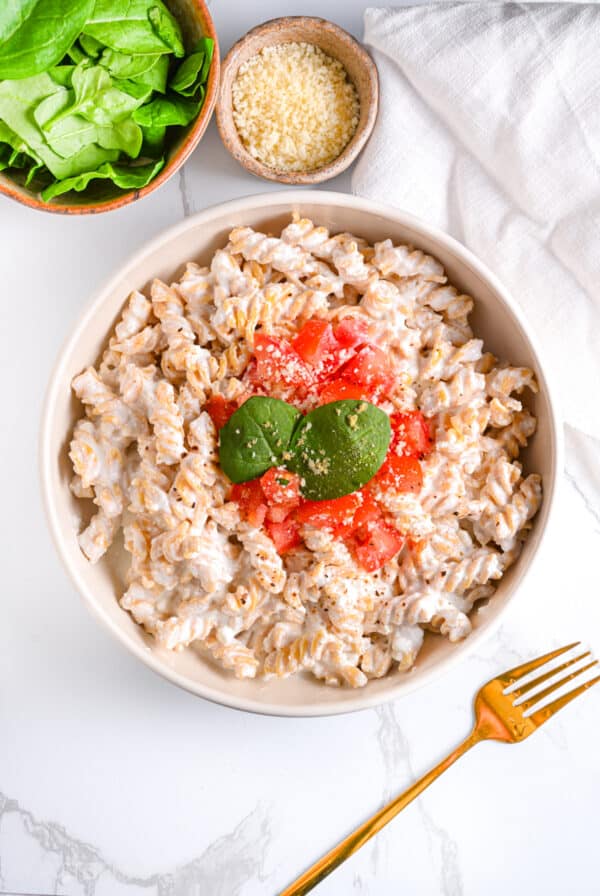
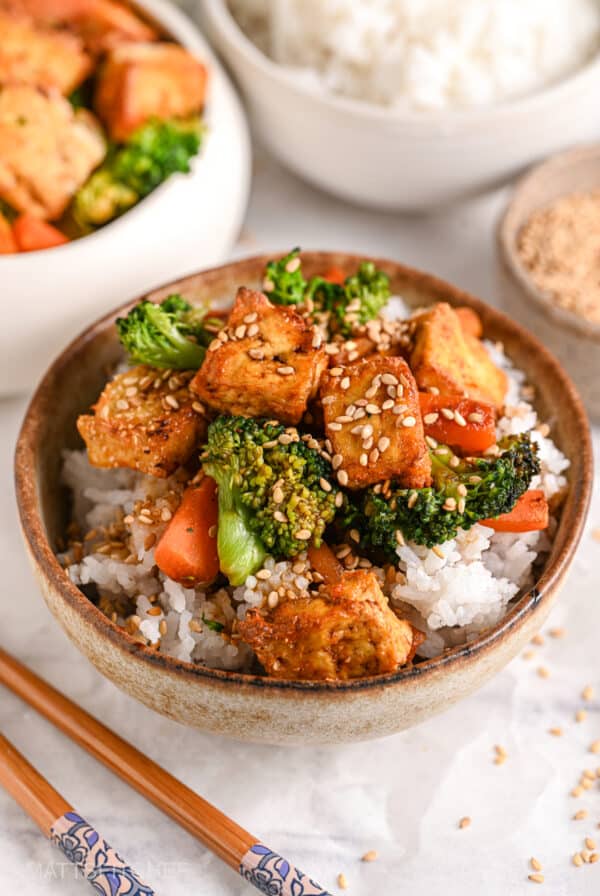
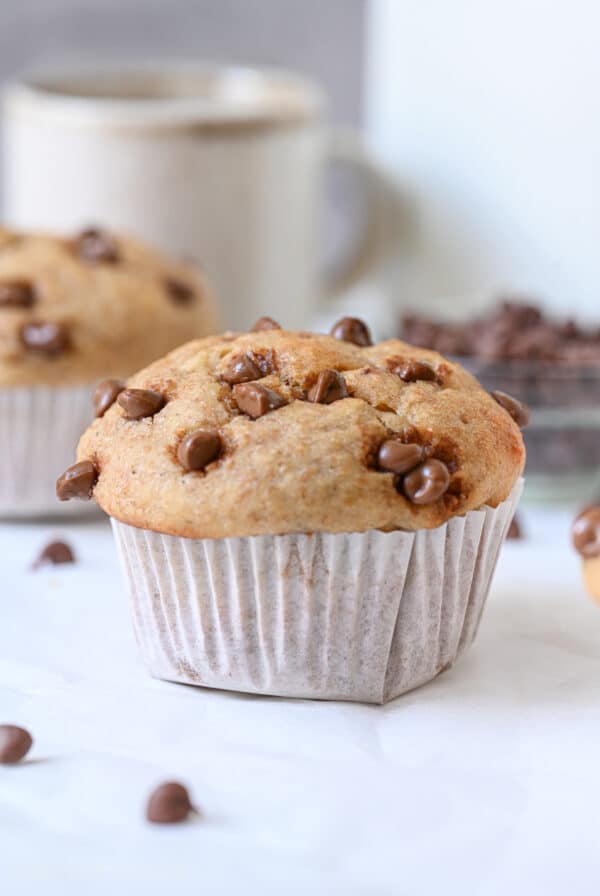
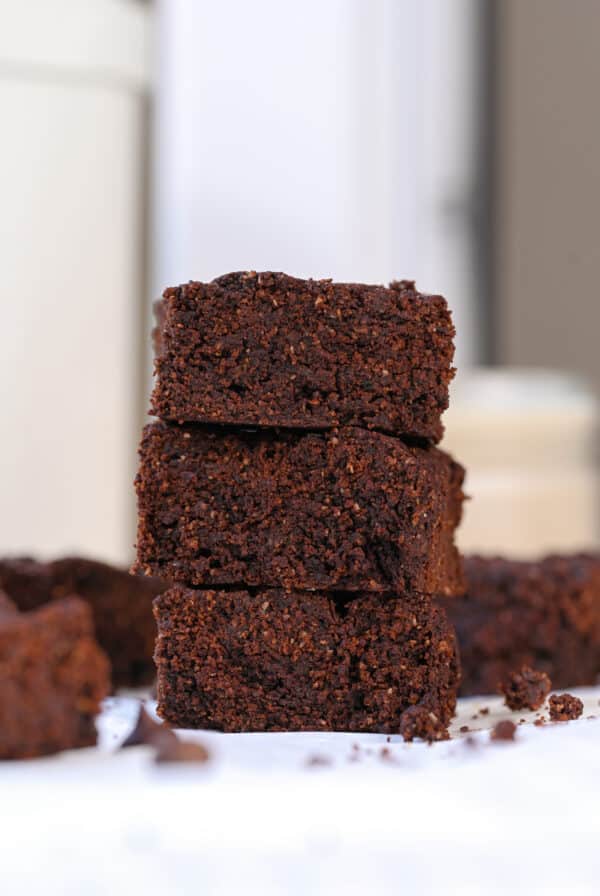
Ready to eat healthy but don’t know where to start? Here are some quick and easy recipes you can try. Check out all my other recipes for more ideas!